
BIRD CONTROL – STEALTH NETTING
Stealth Bird Netting for Pigeons & Problem Birds in Southern California
Pigeons, sparrows and starlings don’t need an invitation. Once they find a ledge, beam or overhang they like, they turn it into a 24/7 roost – droppings on walkways, nesting material in equipment, feathers and dust blowing into workspaces and patios.
Stealth bird netting is the “shut the door” solution for these areas. Instead of chasing birds away every week, we build a low-visibility barrier that keeps them from getting in at all – over loading docks, courtyards, carports, breezeways, parking garages, balconies, signs and roof structures across Los Angeles, Orange, Riverside and San Bernardino Counties.
Urban Wildlife Trapping Experts designs and installs professional-grade bird net systems that look clean, blend in with the building and are built to last in Southern California sun, wind and dust.

Built for Real Southern California Bird Problems
We’re not guessing from brochures. We crawl beams, walk roof edges and stand under the same messy ledges your customers and tenants stand under.
- Los Angeles County: (310) 528-9229
- Orange County: (714) 913-6110
- Riverside County: (951) 324-5036
- San Bernardino County: (909) 582-3073
We are not just “pump, pray and spray.” Real trappers get dirty in rafters, under canopies and along awkward rooflines to actually shut down bird roosts – not just scare them for a day.
Stealth netting is designed to be nearly invisible from the ground while completely blocking access for pigeons, swallows, sparrows and other birds.
What Is Stealth Bird Netting?
Stealth bird netting is a tensioned, low-visibility net system that closes birds out of a space completely – like putting a screen on a giant open window. Instead of birds landing on beams, pipes and ledges, they hit an invisible wall and move on.
The systems we install are not cheap plastic hobby nets. We use commercial-grade, UV-stable bird netting tied into perimeter cables and stainless hardware. The goal is simple:
- Protect walkways, entrances, equipment and work areas from droppings.
- Stop nesting and roosting in rafters, canopies, parking structures and courtyards.
- Blend into the building so you don’t feel like you’re sitting in a cage.
Stealth netting is especially effective when you’ve tried basic bird control – spikes, fake owls, noise – and the birds keep coming back or just move five feet over.
Where Stealth Bird Netting Works Best
Netting shines in places where birds have multiple perches and angles and you can’t realistically spike or treat every surface. If it’s a bowl, canyon or frame that birds are filling, netting is usually the right move.
Typical Stealth Netting Jobs We See
- Loading docks and warehouse entries – birds roosting on beams and pipes over trucks, forklifts and workers.
- Parking garages and carports – droppings on vehicles, walkways and stairwells, nests in beams and conduits.
- Storefront canopies and awnings – pigeons lined up over doors and outdoor seating, dropping on customers.
- Interior courtyards and light wells – hard-to-reach ledges that fill with pigeons and sparrows.
- Roof structures, mechanical wells and signs – birds bedding into steel, ducts, I-beams and recessed roof areas.
On residential jobs, we also use netting in carports, breezeways, covered patios and eaves where birds are protected from wind and rain.
Top Problem Birds for Netting
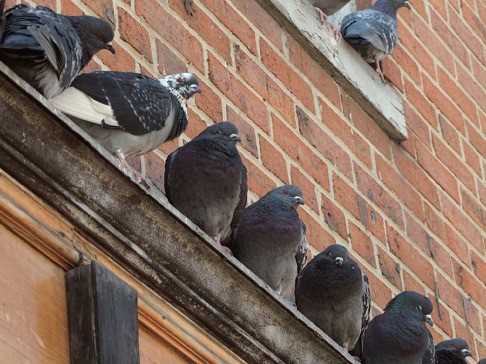
Bird Type
Pigeons
Heavy droppings, nesting in beams and signs, constant traffic in and out of parking garages, docks and roof structures.
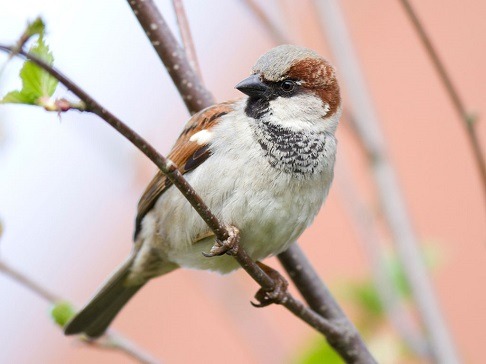
Bird Type
House Sparrows
Pack small nests into gaps, signs and storefront canopies. Big mess in small spaces – especially around customers and patios.
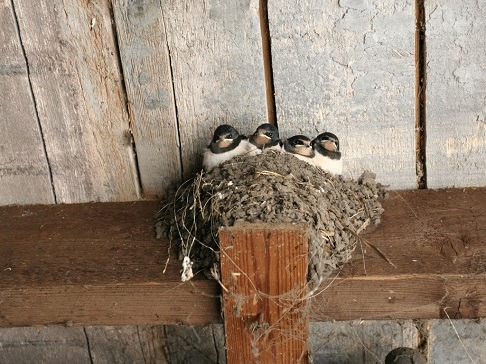
Bird Type
Swallows
Mud nests stacked under eaves and entryways. Netting blocks access to the nesting face before they rebuild.
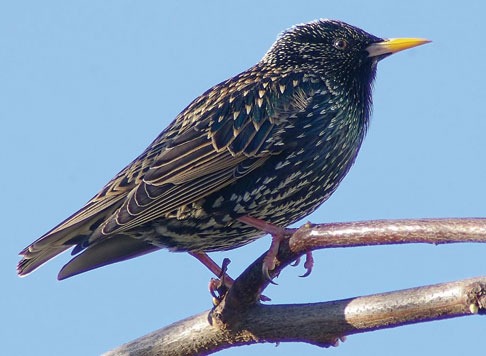
Bird Type
Starlings & Mixed Flocks
Loud flocks in trees, signs and roof edges. Netting closes big roost pockets these mixed groups rely on.
If the space acts like a giant bird hotel – shelter, beams, heat, food nearby – netting lets us close the whole “hotel” instead of chasing individual rooms.
Stealth Netting vs. Spikes, Gels & Noise Makers
Spikes, gels and basic deterrents have their place. But once you reach a certain level of roosting and mess, you hit a wall – or you build one with netting.
When Spikes & Repellents Fall Short
- There are too many ledges and pipes to treat individually.
- Birds simply move a few feet over every time you add more product.
- Spikes catch trash and feathers and start to look worse than the birds.
- Noise makers and scare devices work for a few days, then get ignored.
Stealth netting solves the problem by removing access, not just comfort. If a bird physically cannot fly into the space, it cannot roost there – no matter how stubborn it is.
Where We Still Use Spikes or Other Tools
- Narrow sign ledges or beams where netting would look out of place.
- Single decorative elements or small awnings.
- High-visibility architectural details where a clean line of spikes is less noticeable than netting.
Most serious bird jobs end up as a mix: stealth netting to close big pockets, other bird control tools for the small details.
Our Stealth Bird Netting Installation Process
Good netting work is more like carpentry and rigging than pest control. We’re building a frame, setting lines and tensioning everything so it stays tight and clean for years.
1. Inspection & Layout
- Walk the site to see exactly where birds are roosting and nesting.
- Identify beams, walls and structural steel we can anchor to.
- Plan cable runs, attachments and access points for future maintenance.
2. Hardware & Cable Installation
- Install perimeter anchors and intermediate supports using appropriate fasteners.
- Run tensioned support cables so the net has a solid frame.
- Use stainless or weather-resistant hardware designed for long-term outdoor use.
3. Net Fitting & Tensioning
- Cut and hang net panels to match the layout.
- Attach netting to cables with proper spacing to prevent sagging.
- Pull the system tight so it looks straight and stays out of the way of people and equipment.
4. Access, Doors & Details
- Add zipper access panels where maintenance crews need to reach equipment.
- Finish edges cleanly around columns, lights and signs.
- Trim and tidy everything so the netting disappears into the structure from normal viewing angles.
At the end, you get a space that functions normally for people but no longer works for birds – no landing zones, no protected rafters.
Bird Netting for Solar Panels, Roof Wells & Mechanical Areas
Birds love roof structures because nobody bothers them up there – until the droppings, nesting material and odor work their way down into the building.
Solar Panel Bird Protection
Under and around solar arrays, pigeons turn open space into a sheltered nesting zone. That means:
- Droppings baked onto panels, reducing efficiency.
- Nests packed against wiring and conduit.
- Constant noise and mess on the roof and around the property.
Depending on the layout, we can use edge screening, barriers or netting to block access under and around solar panels. The first step is always cleanup, then exclusion so birds don’t reclaim the space.
Roof Wells, Parapets & Mechanical Rooms
- Netting over recessed roof wells and structural pockets.
- Enclosing mechanical areas where birds land on equipment and ductwork.
- Blocking sheltered spots behind parapet walls and signage.
Roof work often overlaps with exclusion and damage repair, especially where birds and rodents are both using the same gaps and chases.
Cleanup, Sanitation & Ongoing Bird Pressure
Stealth netting stops new birds from moving in. Before we close the space, we also deal with what they left behind.
Bird Dropping & Nest Cleanup
- Remove bulk droppings, nests and feathers from beams, ledges and floors.
- Bag and dispose of contaminated material appropriately.
- Apply sanitizing and deodorizing products to affected surfaces.
Protecting People, Equipment & Air Quality
- Keep droppings away from air intakes and high-traffic walkways.
- Reduce corrosion and staining on metal, concrete and building finishes.
- Coordinate with attic and interior cleanup if birds have used roof gaps to access structures.
On some sites we also talk about rodent control and general sanitation around dumpsters, loading areas and food sources, since those conditions attract both birds and rodents. When needed, this ties into our rodent control services.
Stealth Bird Netting Service Areas
Urban Wildlife Trapping Experts is based in Los Angeles and provides bird netting and exclusion across much of Southern California. We work on homes, apartments, HOAs, shopping centers, warehouses, industrial plants and public facilities.
Counties We Regularly Serve
- Los Angeles County
- Orange County
- Riverside County
- San Bernardino County
If you are outside these areas but have a serious bird issue, call us. If we can’t reach you, we’ll try to point you toward someone reputable.
Talk to a Bird Netting Specialist
- Los Angeles: (310) 528-9229
- Orange County: (714) 913-6110
- Riverside: (951) 324-5036
- San Bernardino: (909) 582-3073
Stealth Bird Netting FAQ
Will stealth netting make my building look like a cage?
No. Properly installed netting is designed to be hard to notice from normal viewing angles. We match net color to the structure, keep lines tight and clean, and use hardware that blends into beams and walls. Most people notice that the birds are gone, not that netting is there.
How long does professional bird netting last?
Quality bird netting systems are designed to handle years of sun, wind and weather. Lifespan depends on exposure and material, but in most Southern California applications, well-installed netting is a long-term solution, not a quick patch. Hardware and cables are chosen to match that expectation.
Can birds get tangled in the net?
When netting is installed tight and at the right distance from ledges, birds do not pass through it – they simply bounce off and move on. Loose, sagging or incorrectly installed netting is where tangles happen. Our goal is to build a tight, clean barrier that birds recognize and avoid.
Do you clean up existing droppings and nests before installing netting?
Yes. Closing birds out without cleaning up what they left creates long-term odor, staining and corrosion problems. On most jobs we remove droppings and nests, apply sanitation products, and then install the netting so you’re not sealing a mess in place.
Is netting the right choice for every bird job?
No. Small, isolated roost spots may be better handled with spikes or other deterrents. Netting really shines when an area acts like a bird room – docks, garages, roof wells, courtyards and canopies. During your inspection, we’ll tell you honestly whether netting, other tools, or a mix makes the most sense.