WILDLIFE ENCYCLOPEDIA
Wildlife Encyclopedia for Southern California Homes & HOAs
This is your urban wildlife encyclopedia – focused on the animals that actually break into Southern California homes, attics, crawlspaces, roofs and yards. Raccoons, skunks, opossums, rats, mice, squirrels, bats, birds, coyotes, snakes and more.
Each animal has different behavior, legal protections and control options. This guide is here to give you real-world info so you understand what you’re dealing with before you decide anything: DIY, ignore it, or call in a licensed trapper.
How to Use This Wildlife Encyclopedia
- Find your animal below – raccoon, skunk, opossum, rat, mouse, bat, snake, coyote, etc.
- Read about behavior, typical damage and health risks.
- Learn what actually works vs. internet myths and “magic sprays.”
- See when you absolutely should call a licensed trapper instead of trying DIY.
If you already know you’ve got an active problem in the attic, walls, or crawlspace, you don’t have to read everything first. You can go straight to the service pages or call:
- Toll-free: 1-844-MY-TRAPS
- Los Angeles: (310) 528-9229
- Orange County: (714) 913-6110
- Riverside: (951) 324-5036
- San Bernardino: (909) 582-3073
What This Wildlife Encyclopedia Is – and What It Isn’t
This encyclopedia is here to explain wildlife behavior in urban Southern California – not to turn you into a backyard trapper or part-time biologist. We stay focused on what matters for homeowners, HOAs, and property managers.
What You’ll Find Here
- Species we actually see in attics, crawlspaces, garages and roofs.
- Real examples from on-the-ground trapping and exclusion work.
- Honest breakdowns of what works long-term vs. temporary band-aids.
- Links to professional removal & repair services when it’s time to act.
What You Won’t Find Here
- No “catch it in a trash bag and hope” tutorials.
- No encouragement to ignore state, city or HOA rules.
- No fake miracle repellents, foggers or poison “shortcuts.”
California has strict rules on how wildlife can be handled, especially for species like bats, coyotes, raccoons and some birds. This guide gives you the background so when a trapper explains the plan, it actually makes sense.
Animals Featured in Our Wildlife Encyclopedia
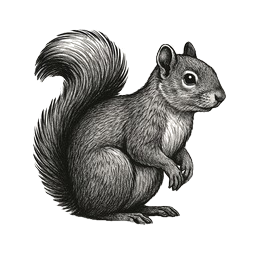
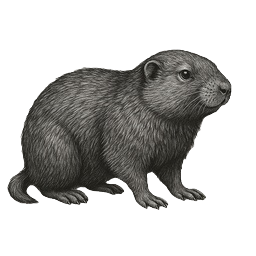
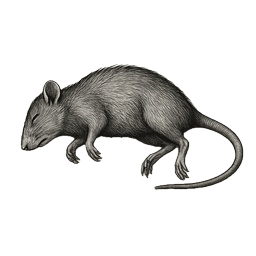
These are the species we most often see in Southern California homes, attics, crawlspaces, yards, roofs and commercial properties. Click any animal to learn more about behavior, risks, and control options. Many links currently point to detailed service pages; over time we’ll add deeper encyclopedia articles for each species.






Health Risks, Structural Damage & Legal Notes
Some wildlife is mostly annoying. Some can wreck a structure or cause real health issues. Part of this encyclopedia’s job is to tell you which is which so you don’t overreact – or underreact.
Health Concerns We See Often
- Rodent droppings and urine in attics, crawlspaces and HVAC areas.
- Raccoon latrines on flat roofs, decks and in insulation.
- Bat guano in attics and wall voids.
- Bird and pigeon droppings under solar panels and on balconies.
When contamination is heavy, we usually recommend attic cleanup & decontamination and/or crawlspace cleaning, plus exclusion & damage repair so the same species doesn’t move right back in.
Legal & Ethical Basics
- Some species have strict rules around trapping, relocation and exclusion timing.
- Baby season changes what can be done legally and humanely.
- Poison use is restricted and can create secondary poisoning issues.
Laws change and cities write their own rules. This encyclopedia gives you the general picture, but final say on what’s legal at your address comes from current regulations and a licensed professional.
Wildlife Encyclopedia FAQ
Is this a DIY trapping guide?
No. This encyclopedia explains wildlife behavior, risks and basic control concepts so you can make smart decisions. It is not a step-by-step trapping manual. In California, a lot of trapping and relocation work must be done by a licensed operator.
Why do many links go to your service pages?
Because those pages already contain detailed behavior, damage and control
information for each species – not just sales copy. Over time we’ll build
separate /wildlife-encyclopedia/animal-name articles, but the
service pages are still part of the encyclopedia picture.
What if I’m outside your normal service area?
You can still use this guide for general education. Some advice is California-specific, but most behavior patterns are the same anywhere urban wildlife bumps into houses, HOAs and businesses.
When should I stop reading and just call someone?
If you have animals inside the structure (attic, walls, crawlspace, chimney), visible damage, or an obvious health hazard, it’s usually cheaper long-term to get a professional inspection and plan instead of experimenting for months.